Media library
Search by keyword
2552 items found, showing page 3 of 213
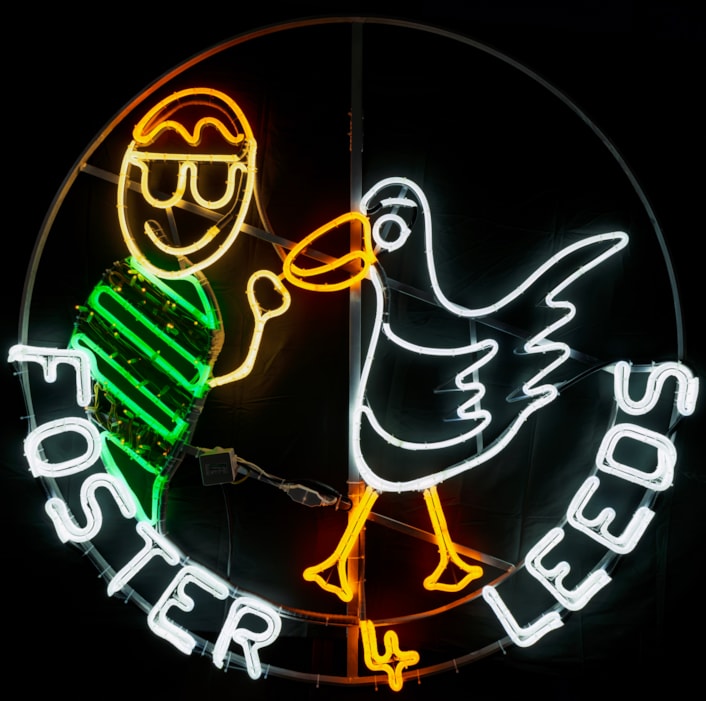
Foster 4 Leeds Light Night 5
The neon rope light created for Light Night Leeds based on a drawing by a young person in foster care, of feeding the ducks.
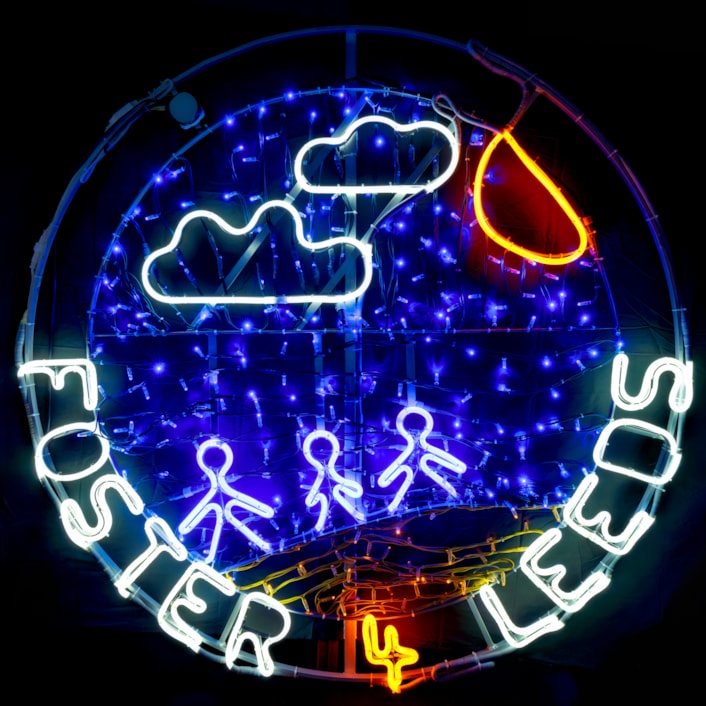
Foster 4 Leeds Light Night 4
The neon rope light created for Light Night Leeds based on two drawings by children living in foster care - one of people in the sea, and another of a beach scene.
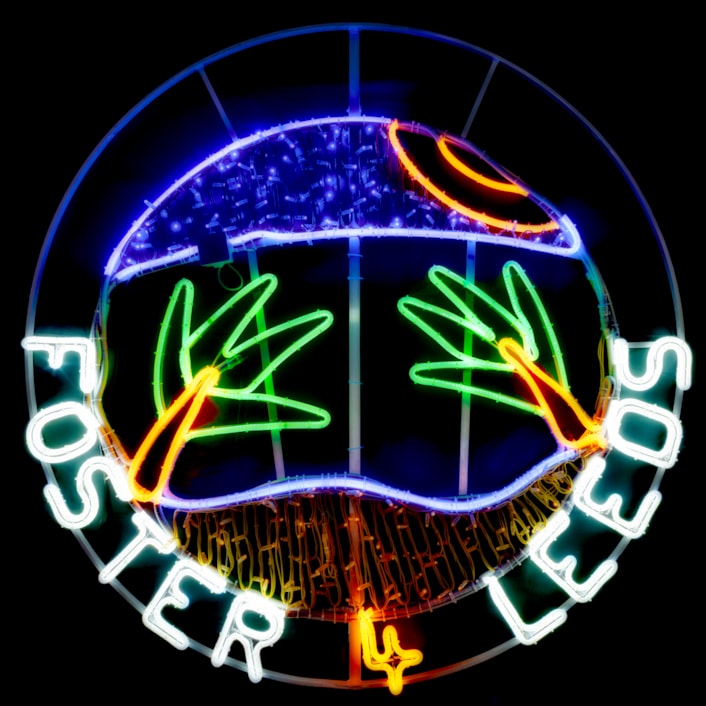
Foster 4 Leeds Light Night 3
The neon rope light created for Light Night Leeds based on a drawing by a young person in foster care, of their Croatian holiday.
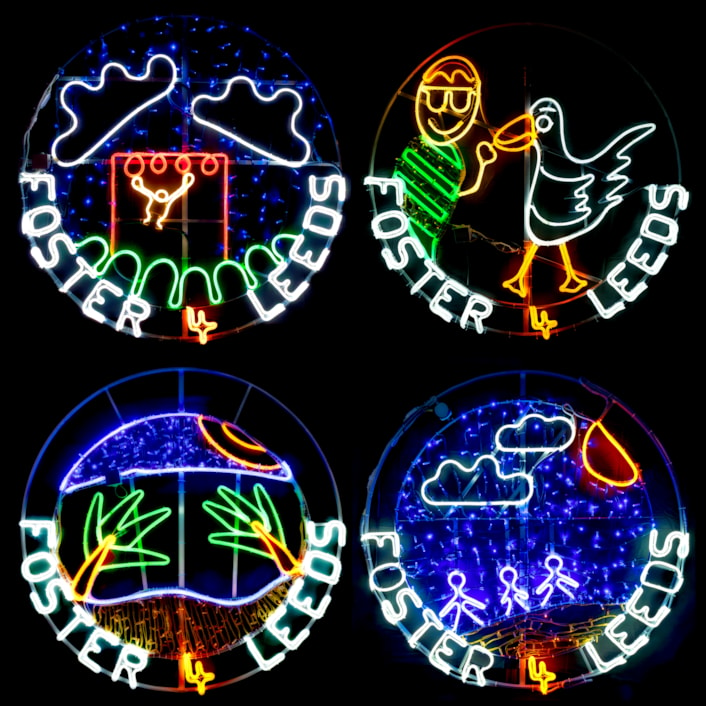
Foster 4 Leeds Light Night 2
All four light creations made for Light Night Leeds based on drawings by children living in foster care. The lights will be on display on Cookridge Street.
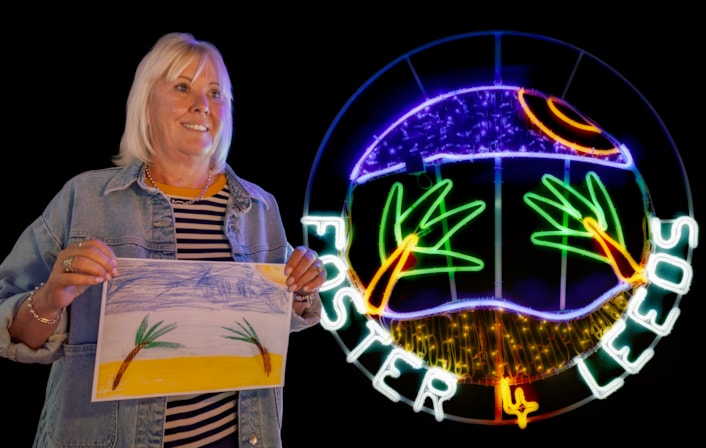
Foster 4 Leeds Light Night 1
Foster carer Marie Procter, pictured with the drawing created by a young person in her care and the resulting neon rope light for Light Night Leeds.
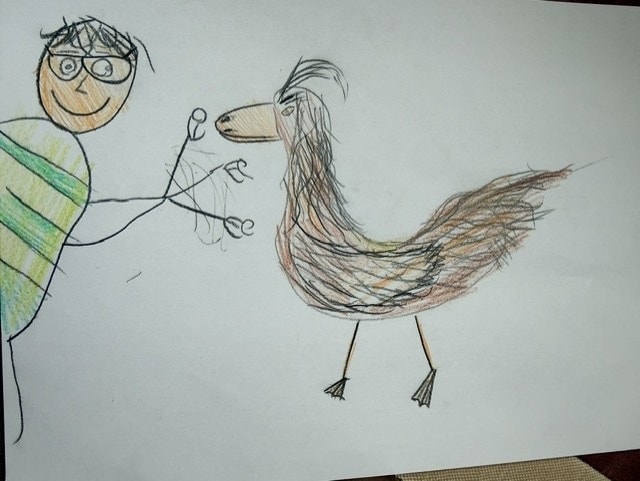
Foster 4 Leeds Light Night - ducks
A drawing created by a young person living in foster care, of feeding ducks at the park. Their drawing has been turned into a neon rope light for Light Night Leeds.
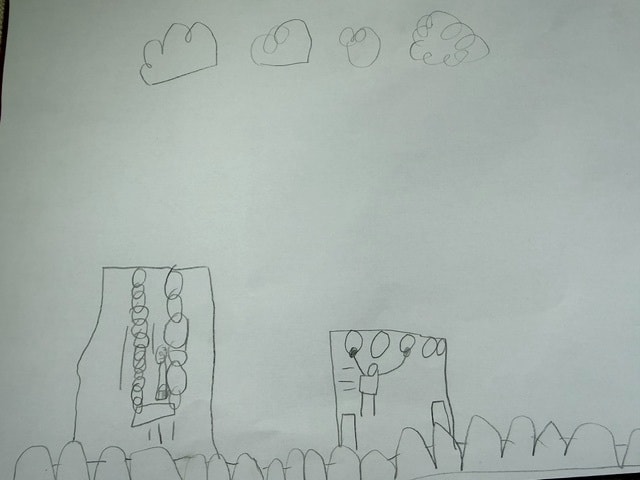
Foster 4 Leeds Light Night - park
A drawing created by an young person living in foster care, of going to the park. Their drawing has turned into a neon rope light for Light Night Leeds.
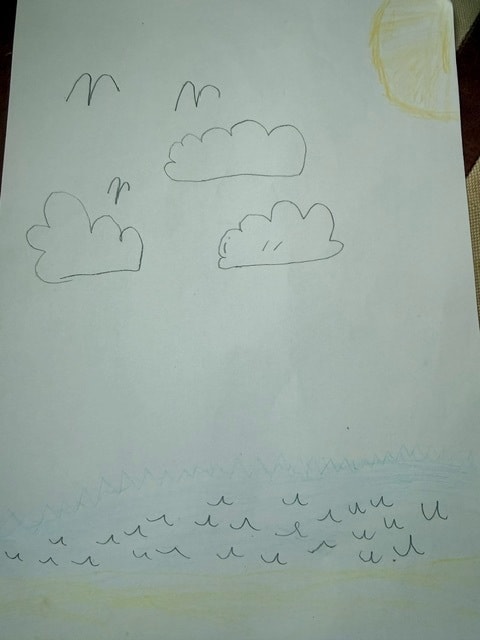
Foster 4 Leeds Light Night - beach
A drawing created by a young person living in foster care, of a trip to the beach. Their drawing has been merged with another child's drawing of the sea at Filey, and turned into a neon rope light for Light Night Leeds.
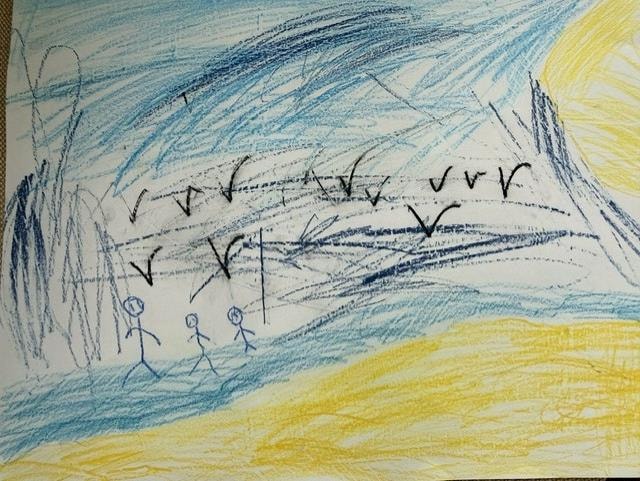
Foster 4 Leeds Light Night - sea
A drawing created by a young person living in foster care, of the beach and sea at Filey. Their drawing has been merged with another child's drawing of a beach trip, and turned into a neon rope light for Light Night Leeds.
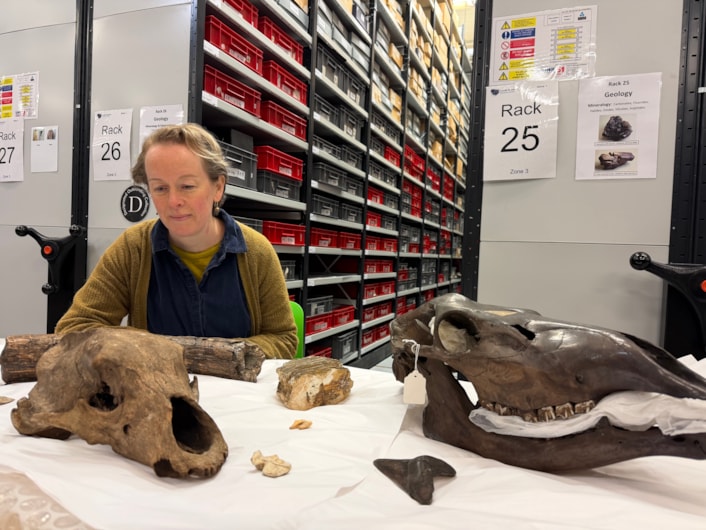
Ice Age remains-15
As well as predators, curators have also been cataloguing the remain of other ancient animals including the skull of a giant Irish elk and a mammoth tusk and tooth. Curator Clare Brown is show here with some of the remains
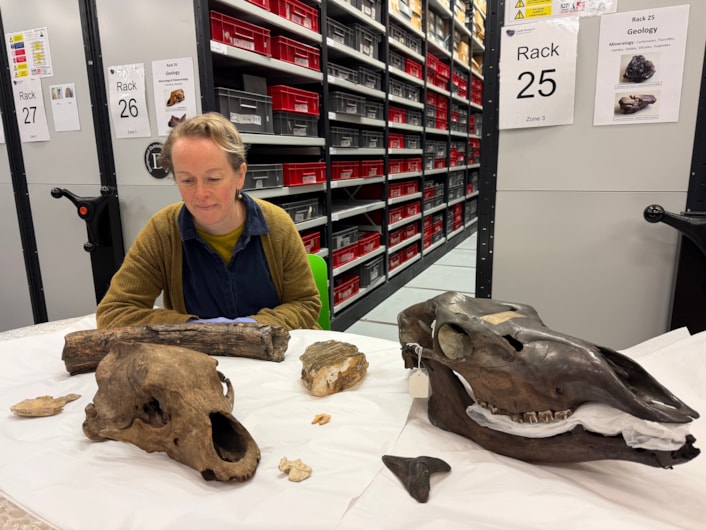
Ice Age remains-14
As well as predators, curators have also been cataloguing the remain of other ancient animals including the skull of a giant Irish elk and a mammoth tusk and tooth. Curator Clare Brown is show here with some of the remains
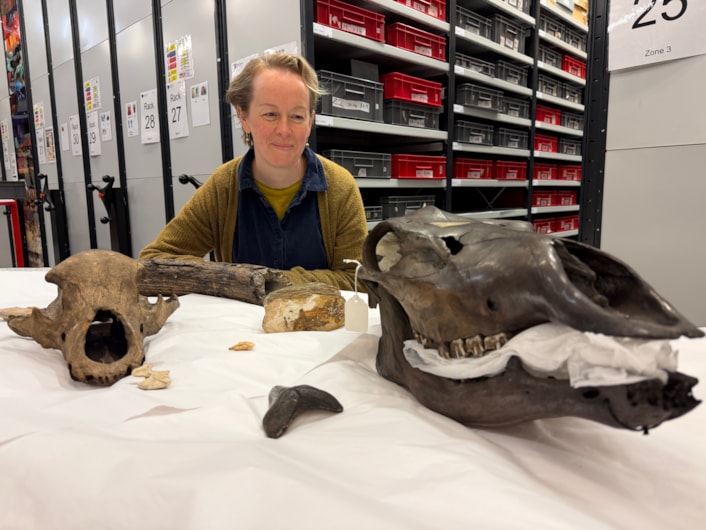
Ice Age remains-13
As well as predators, curators have also been cataloguing the remain of other ancient animals including the skull of a giant Irish elk and a mammoth tusk and tooth. Curator Clare Brown is show here with some of the remains